When the Sky Turns Red
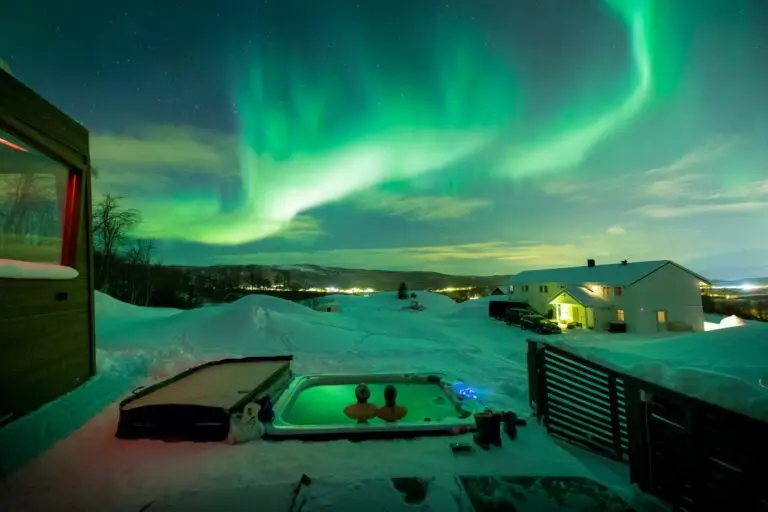
The northern lights are most commonly seen in shades of green, but on rare occasions, the sky transforms into something far more extraordinary—deep red auroras glowing across the Arctic sky.
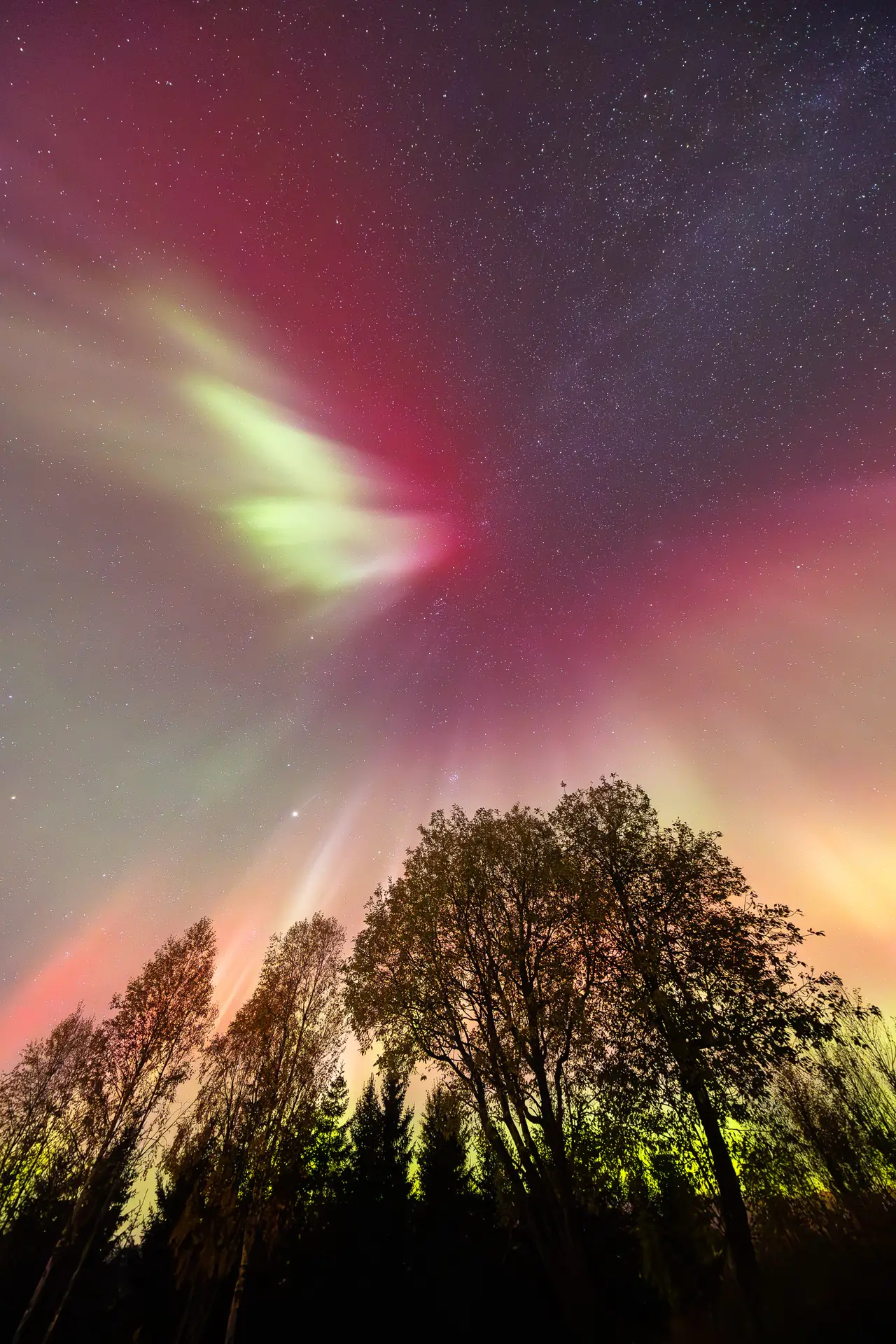
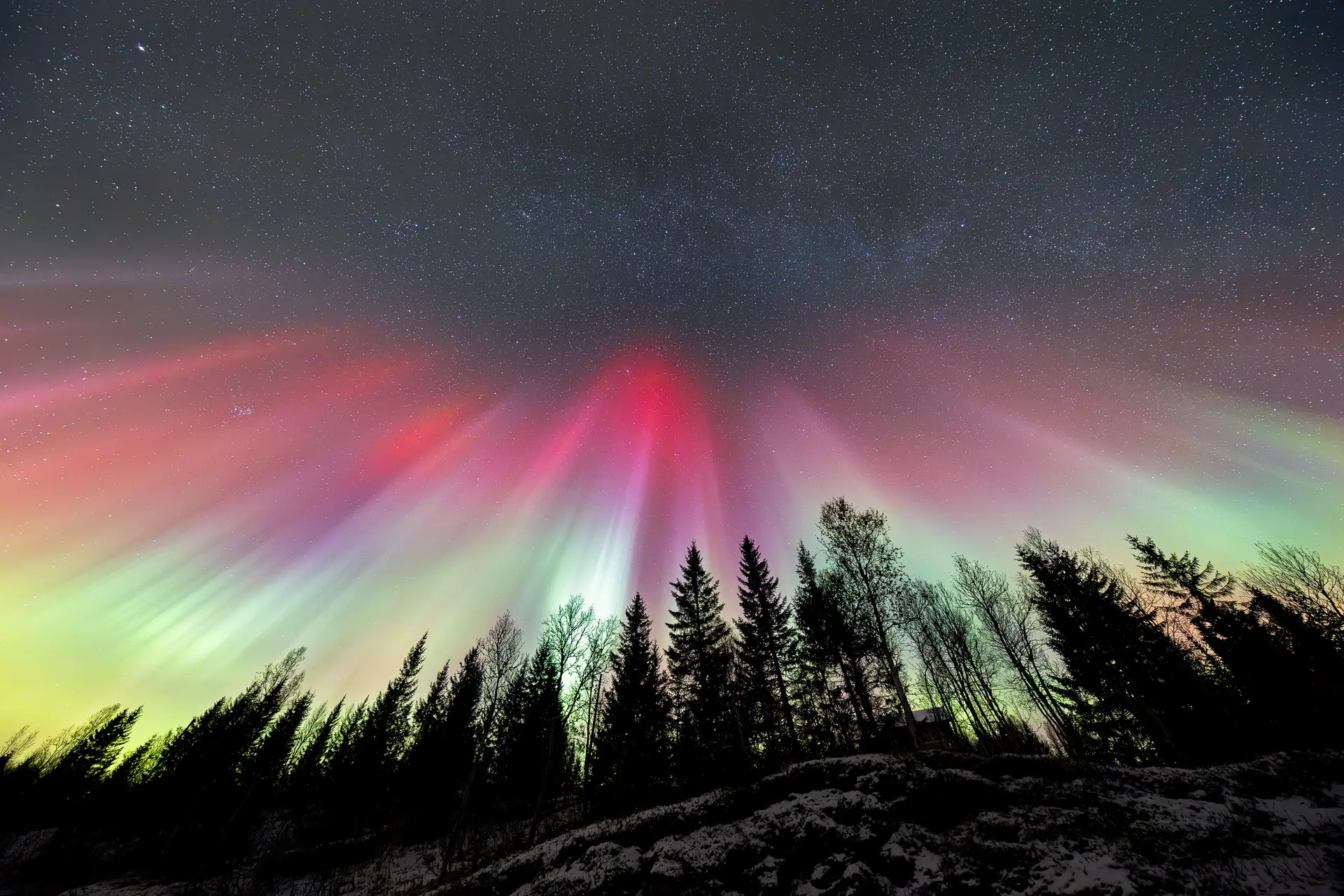
Red northern lights are among the rarest and most fascinating aurora displays. Unlike the fast-moving green curtains people often expect, red auroras tend to appear slower, softer, and more atmospheric—sometimes covering large parts of the sky in a subtle, almost surreal glow.
From Senja, these rare events can occasionally be observed during strong solar activity, creating unforgettable moments for those lucky enough to witness them.
What Causes Red Northern Lights
The colors of the aurora are created when charged particles from the sun collide with gases in Earth’s atmosphere.
Red auroras are produced under very specific conditions:
High-altitude oxygen (above 200 km) is responsible for red emissions
These reactions occur much higher than the green aurora
The intensity is lower, making the color more subtle and harder to see
Because of this, red auroras often appear as faint glows rather than sharp, moving structures.
Why Red Aurora Is So Rare
Red northern lights require a combination of factors that do not occur often:
Strong solar storms
High-energy particles reaching deeper into the atmosphere
Clear and very dark skies
Minimal light pollution
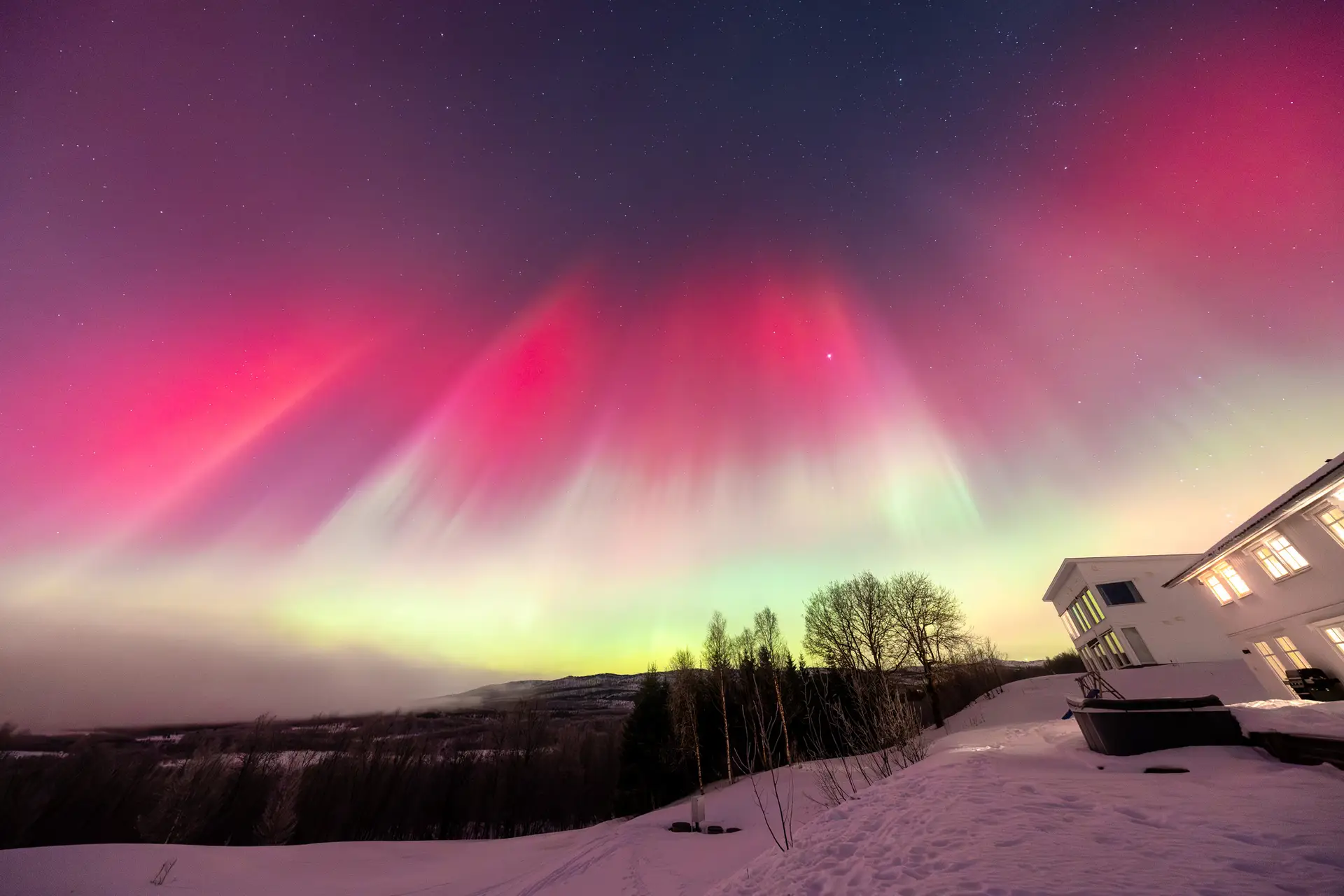
Even during active aurora nights, red tones may only appear briefly—or not at all.
In many cases, cameras capture the red color more clearly than the human eye.
Different Types of Red Aurora
Not all red auroras look the same. They can appear in different forms:
Faint red glow high in the sky above green aurora
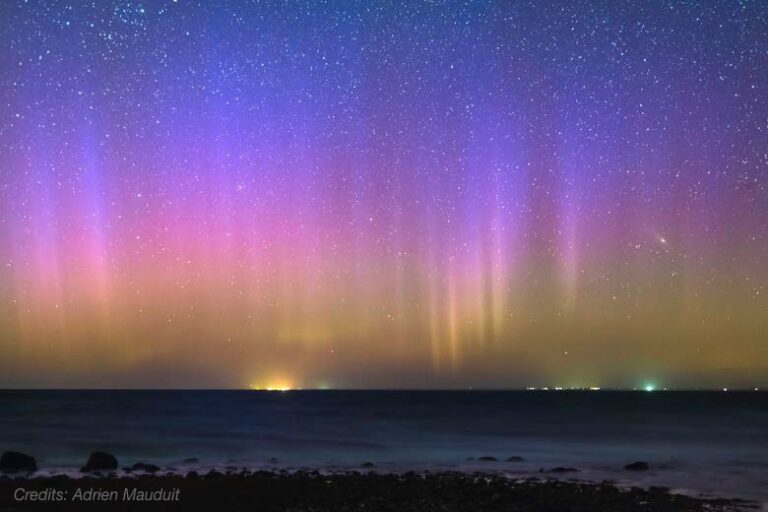
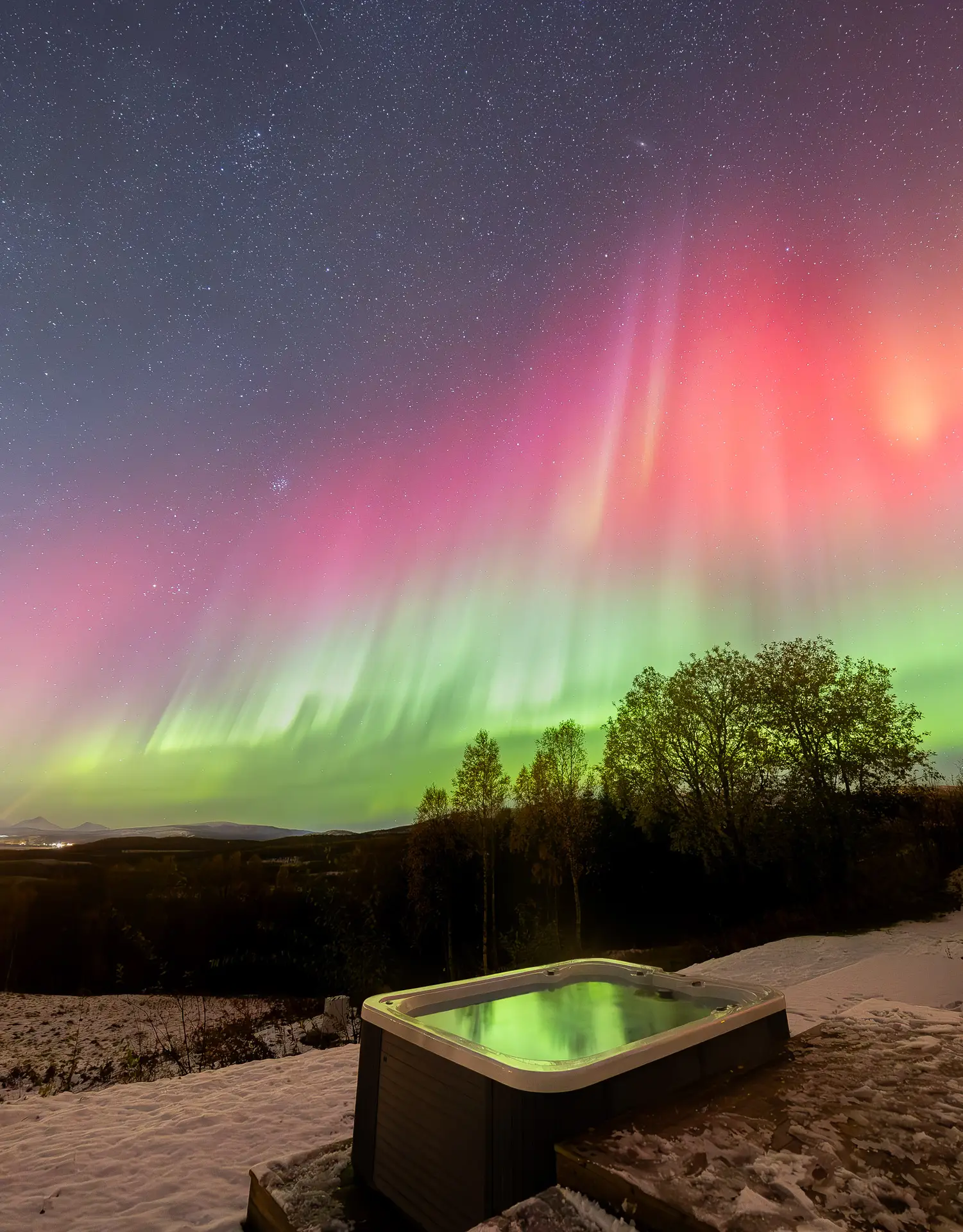
Mixed displays where red blends with green and purple
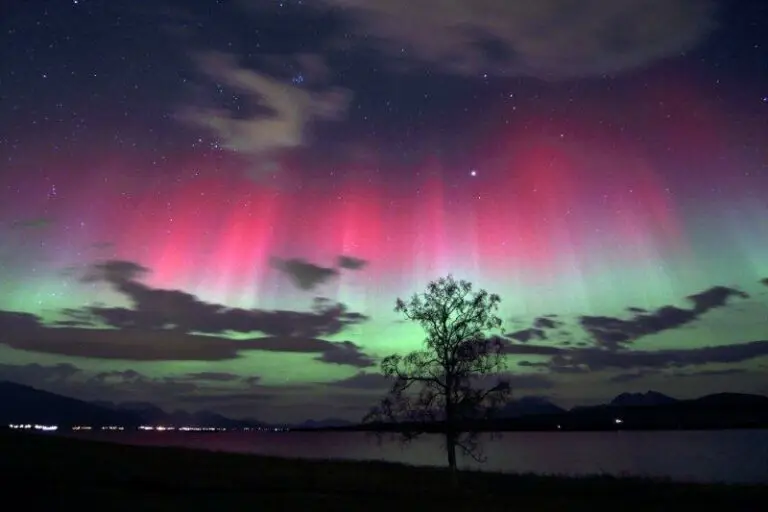
Deep red curtains during strong geomagnetic storms
STEVE-like phenomena, sometimes showing pinkish-red arcs
Each type offers a completely different visual experience.
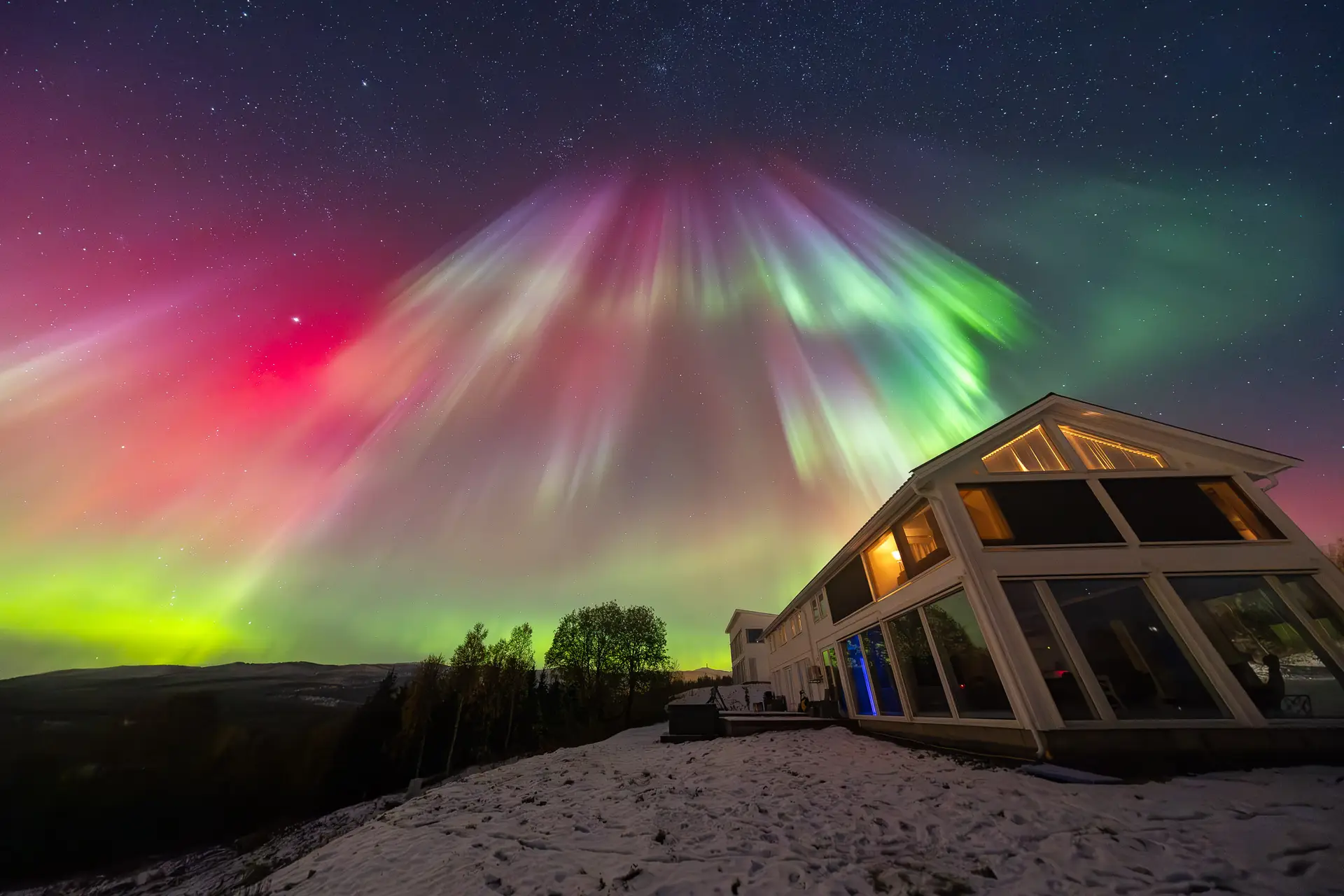
Captured from Senja
At Aurora Borealis Observatory, the dark surroundings and open sky provide ideal conditions for observing rare aurora colors.
When red auroras appear, they often stretch across large parts of the sky, creating a calm and powerful atmosphere rather than fast-moving light.
These moments are rare, but when they happen, they stand out as some of the most unique aurora experiences.
Best Conditions to See Red Northern Lights
To maximize your chances of seeing red aurora, the following conditions are important:
Strong geomagnetic activity (high KP index)
Clear skies with no cloud cover
Very low light pollution
Being in high-latitude locations like Northern Norway
Even then, timing and luck play a major role.
A Unique Experience in the Arctic Sky
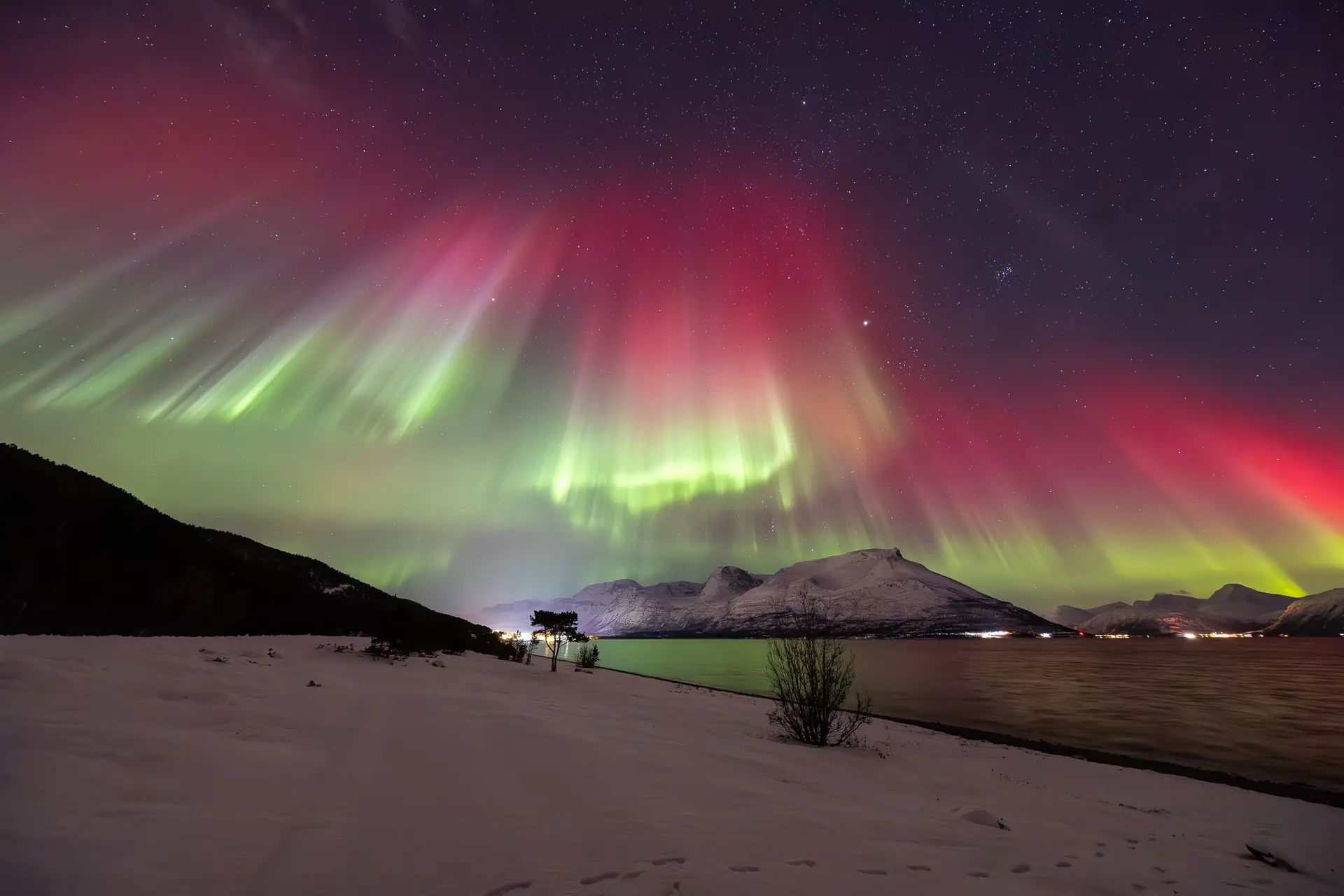
Red northern lights feel different from typical aurora displays.
They are slower, quieter, and more atmospheric—sometimes appearing as a glowing ceiling above the landscape rather than moving waves.
For photographers, they offer a rare opportunity to capture something truly special. For visitors, they create a once-in-a-lifetime experience.
Witnessing Red Aurora Yourself
While green auroras are common, red northern lights remain a rare natural phenomenon.
At Aurora Borealis Observatory, we monitor conditions closely and alert guests when activity increases—giving you the best possible chance to witness even the rarest displays.
A Rare and Powerful Phenomenon
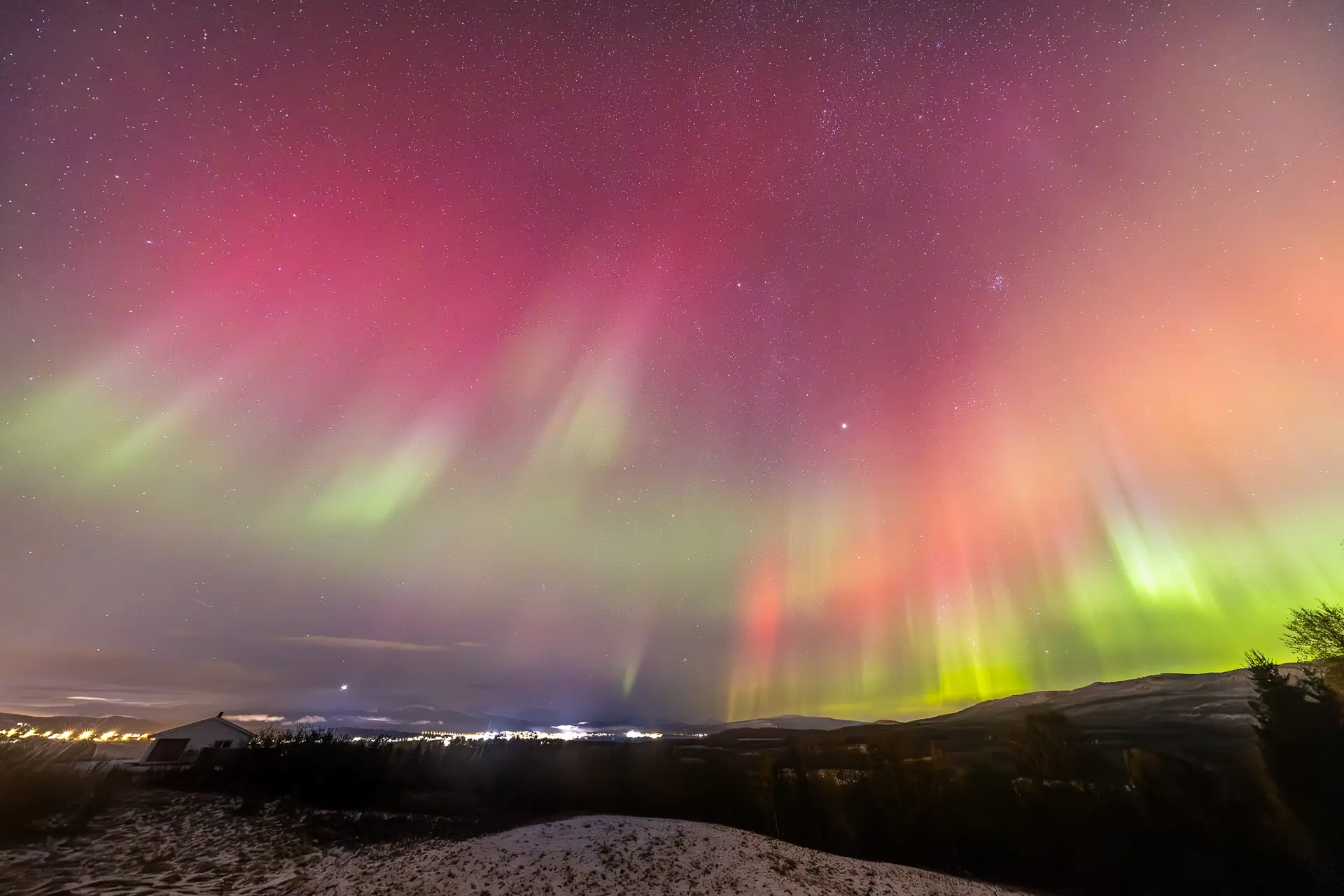
Red auroras are not something you can plan for.
They appear unexpectedly, often briefly, and under the right conditions only.
But when they do, they create some of the most unforgettable moments the Arctic sky can offer.