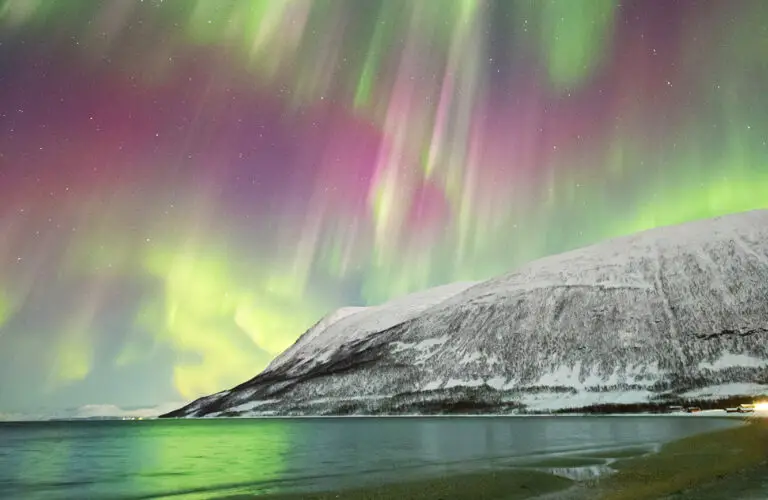
When the Aurora Turns Purple
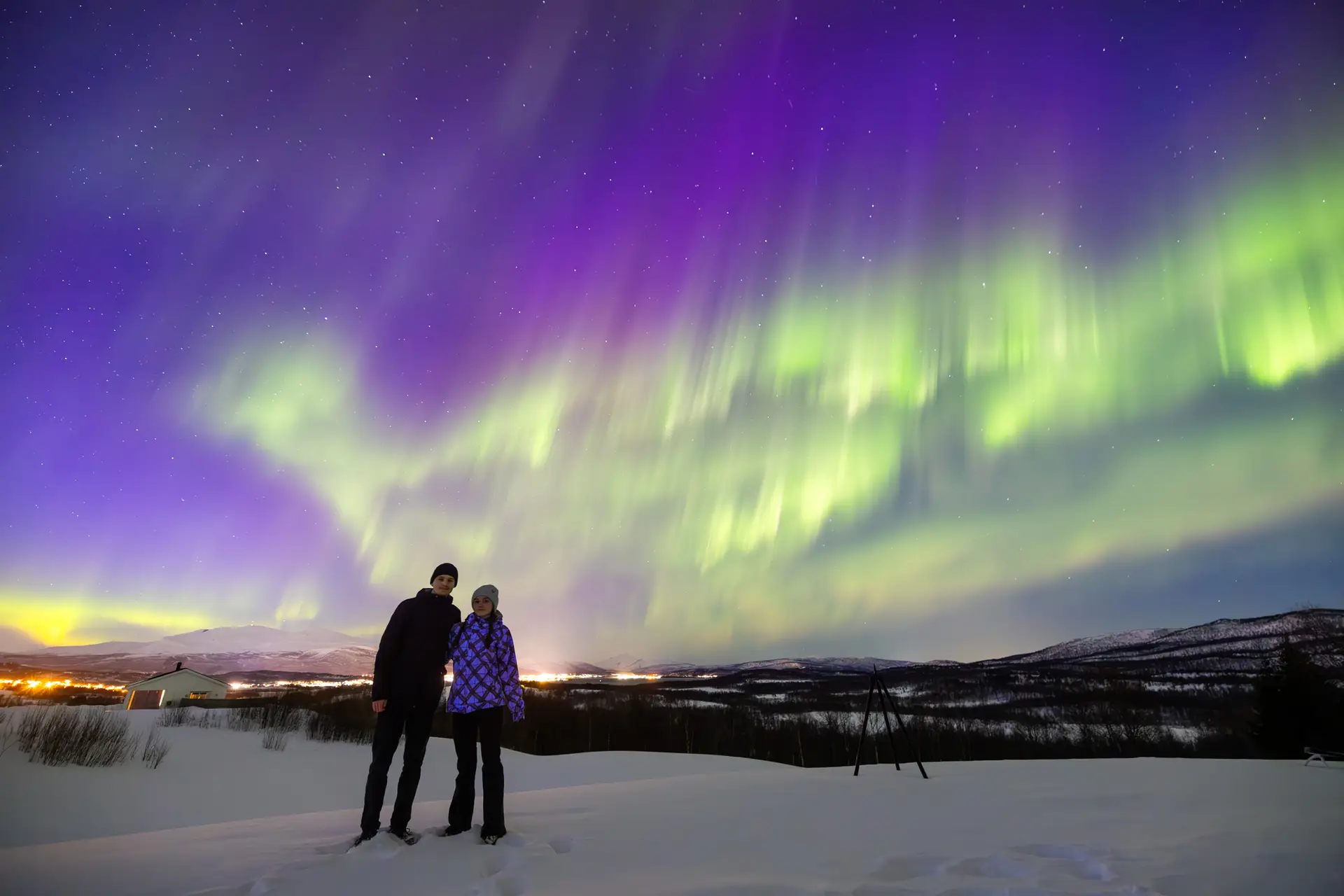
Most people imagine the northern lights as bright green waves dancing across the sky. And while green is the most common color, the aurora can sometimes reveal something far more rare—deep purple and blue tones that transform the night into something almost unreal.
These colors are not something you see every night. In fact, they are among the most elusive and magical expressions of the aurora borealis.
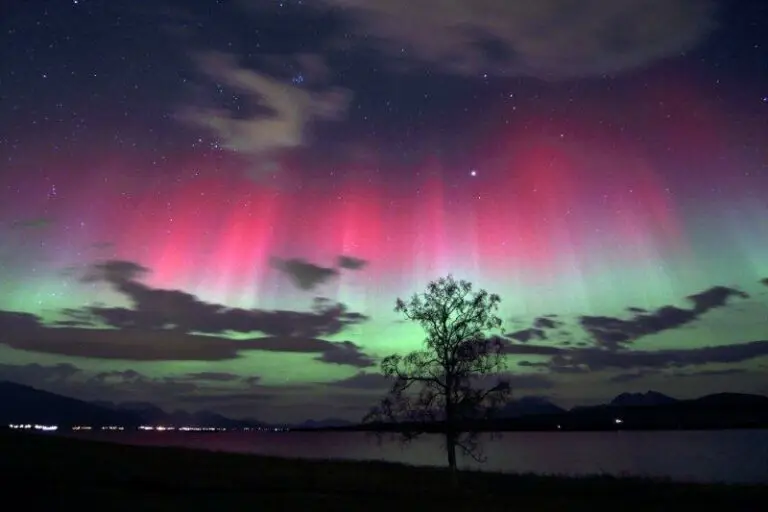
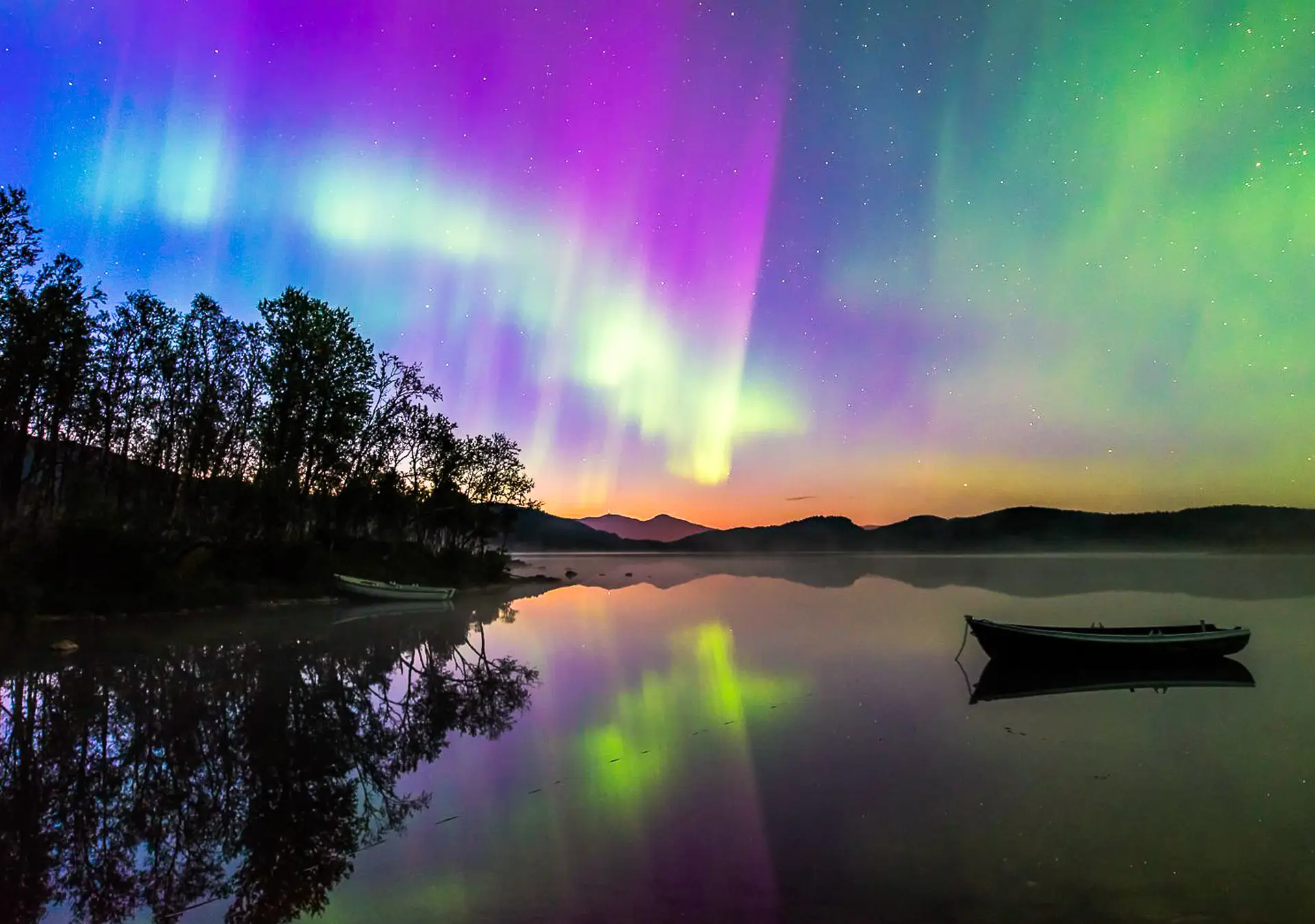
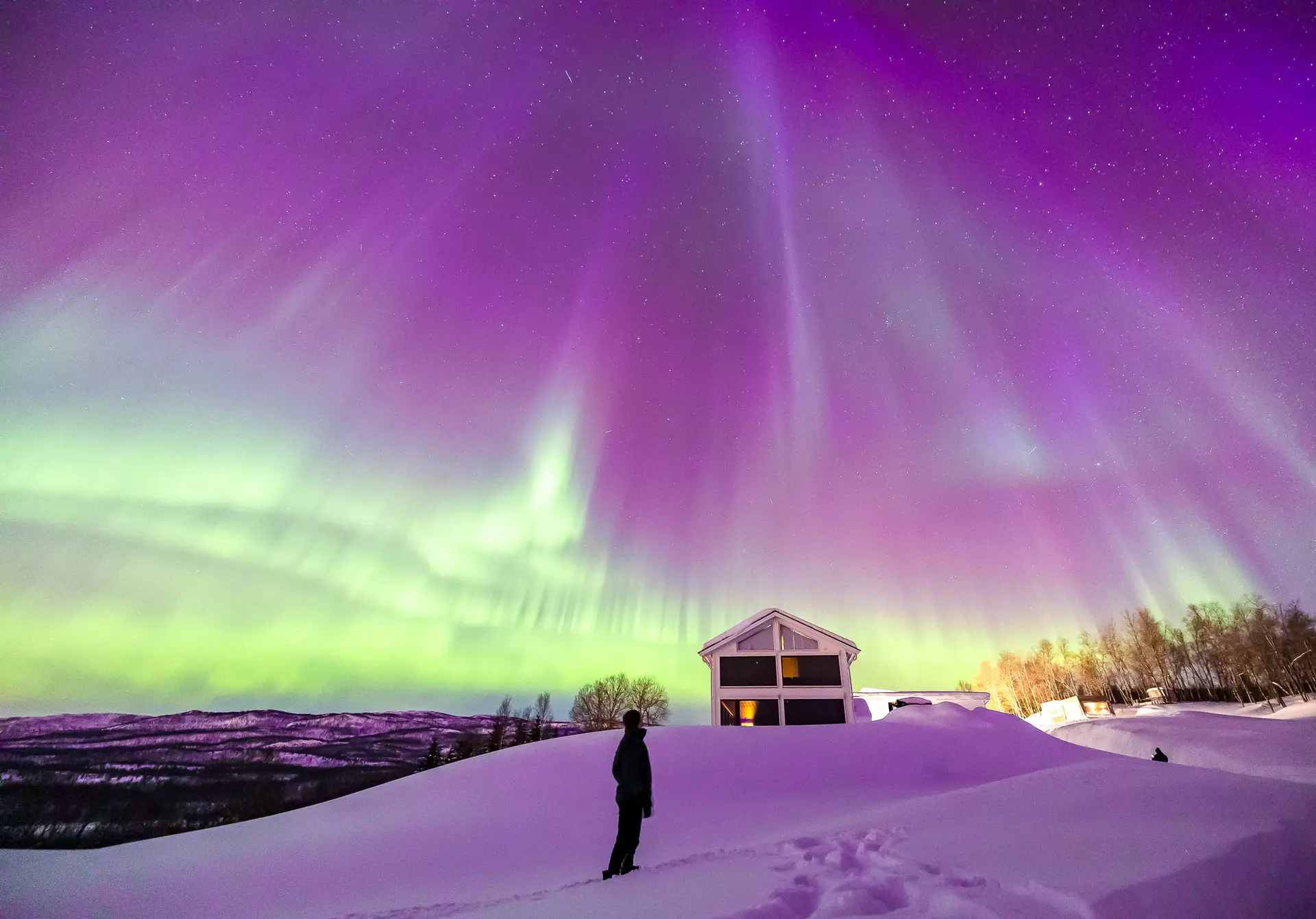
From our location on Senja, we occasionally witness these rare displays—moments where the sky shifts from green into violet, blue, and even hints of pink.
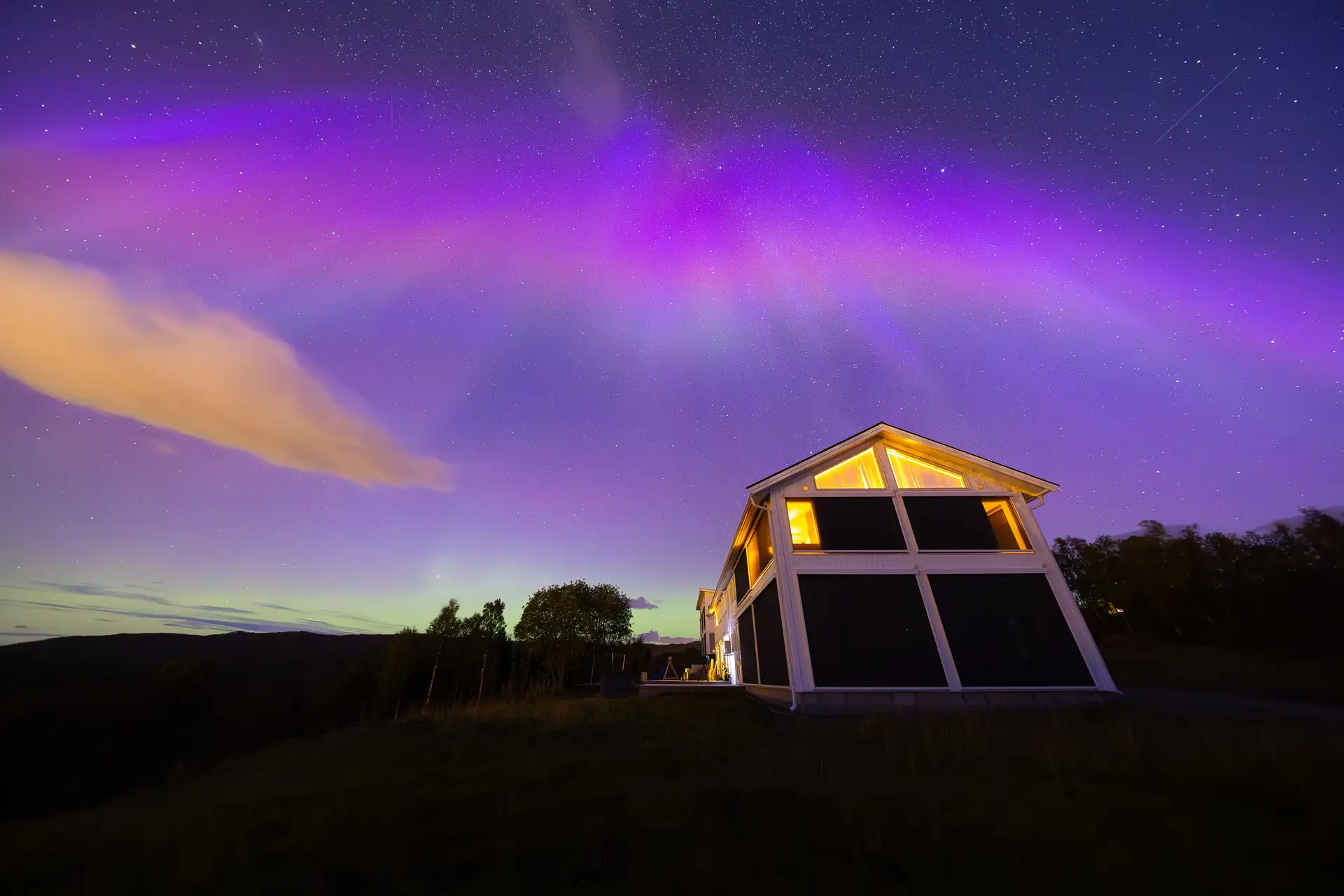
What Causes Purple and Blue Northern Lights
The colors of the aurora are created by charged particles from the sun colliding with gases in Earth’s atmosphere.
While green is produced by oxygen at lower altitudes, the more unusual colors appear higher in the atmosphere:
Purple and violet tones often appear when nitrogen is excited
Blue hues are typically seen during strong aurora activity
These colors are often faint and require dark skies and the right conditions to be visible
Because they occur at higher altitudes and are less intense than green aurora, they are much rarer to see with the naked eye—but cameras can capture them beautifully.
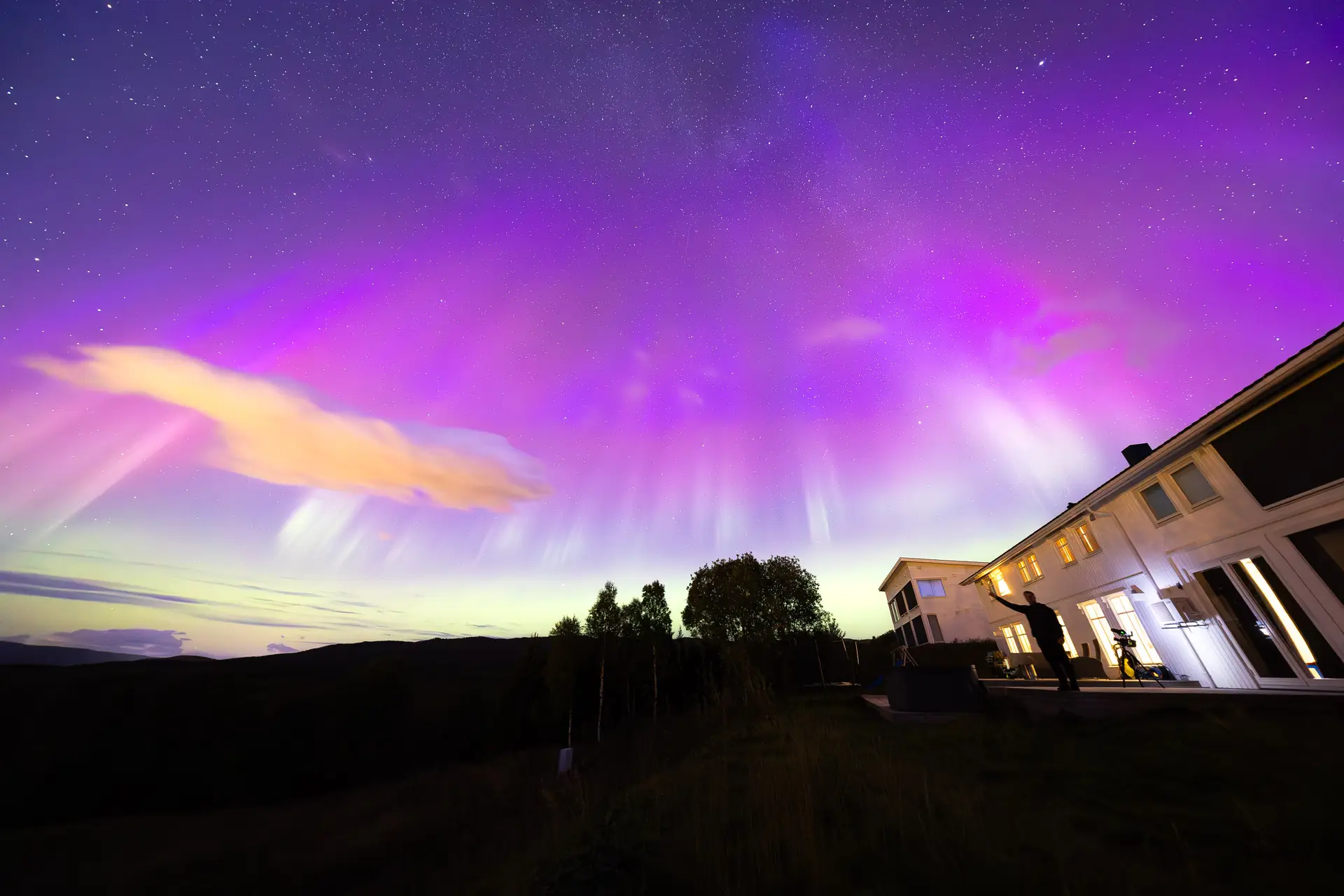
Captured from Aurora Borealis Observatory
At Aurora Borealis Observatory, we are located far from light pollution, surrounded by open skies and fjord landscapes—perfect conditions for capturing the full spectrum of aurora colors.
Over the years, we have documented countless aurora displays, but some of the most memorable moments are when the sky turns purple and blue.
These images are not enhanced or artificial—they are real moments captured during strong aurora activity, often lasting only seconds or minutes before fading back into green.
Why These Colors Are So Special
Purple and blue auroras feel different.
They are softer, more subtle, and often appear as fine structures or edges within stronger aurora displays. Sometimes they form a glowing outline along the top of green curtains. Other times, they dominate the entire sky in a surreal mix of colors.
For photographers, these moments are incredibly rewarding. For guests, they are unforgettable.
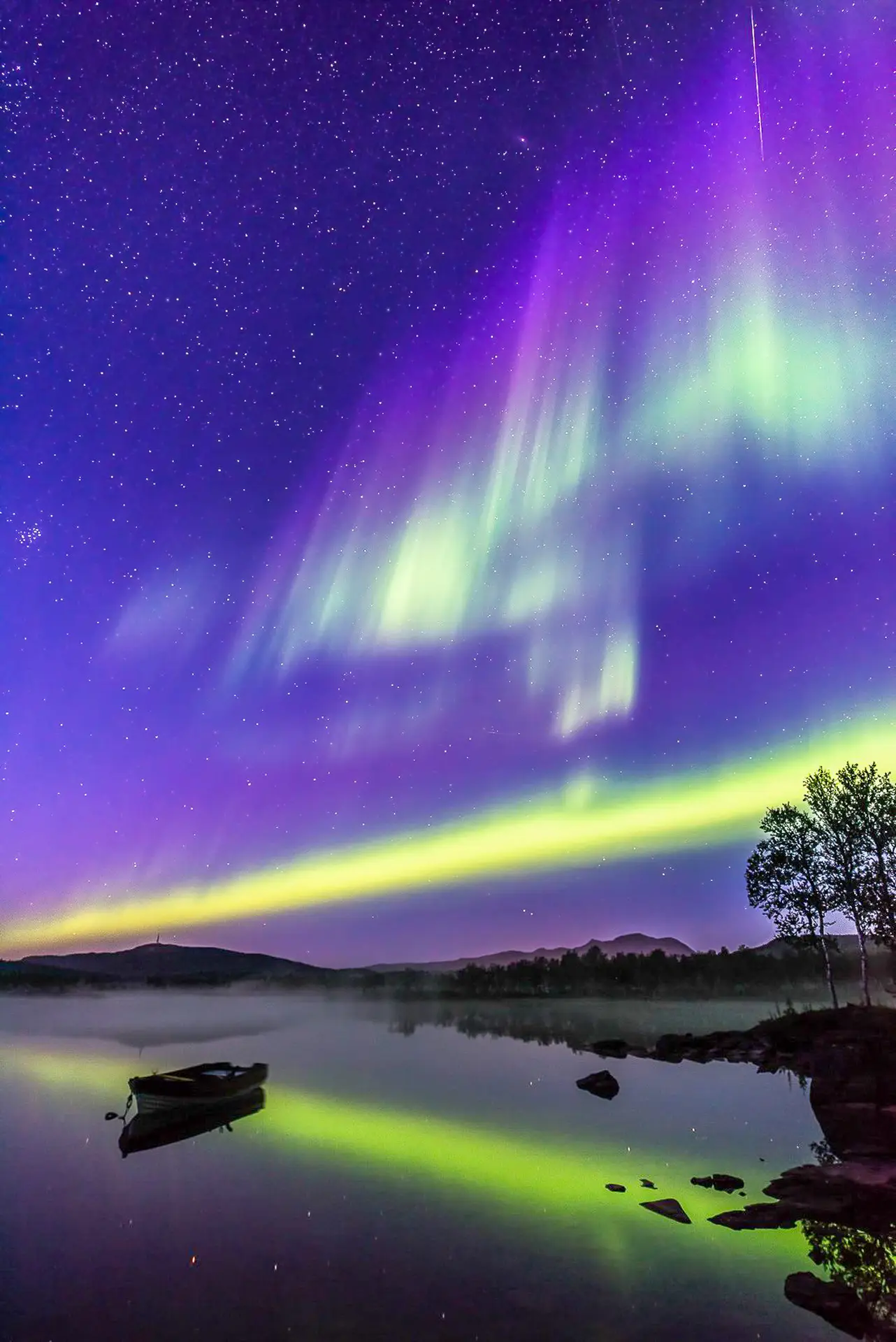
Best Conditions to See Purple Aurora
Seeing purple or blue northern lights depends on several factors:
Strong solar activity
Clear, dark skies
Minimal light pollution
Being in the right place at the right time
Even during an active aurora night, these colors may only appear briefly. That’s why patience—and a good location—matters.
A Photographer’s Perspective
With decades of experience photographing the northern lights, one thing remains true: no two aurora displays are ever the same.
Purple and blue auroras are among the rarest variations, and capturing them requires both preparation and a bit of luck.
Using the right camera settings, fast lenses, and understanding how the aurora behaves makes it possible to document these fleeting moments in detail.
Experience It Yourself
While photos can capture the beauty of purple auroras, experiencing them in real life is something entirely different.
Standing under a sky filled with shifting colors—green, purple, blue—is something that stays with you forever.
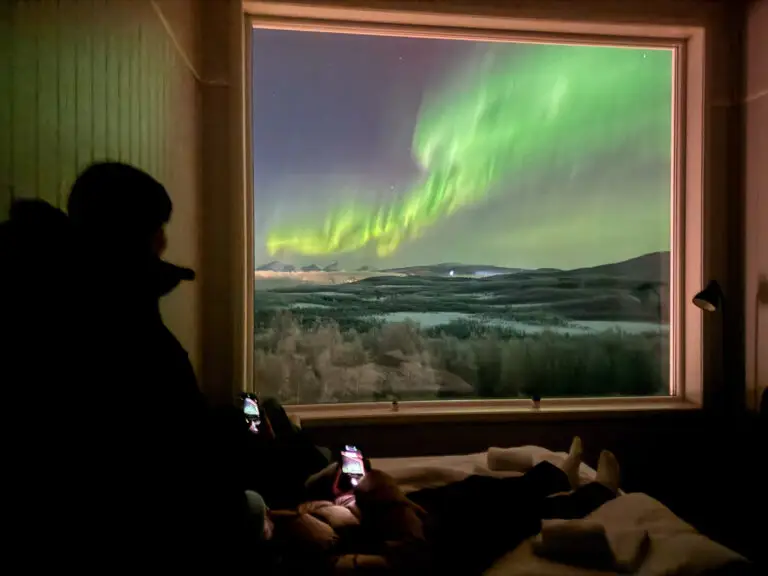
At Aurora Borealis Observatory, we monitor the skies closely and notify guests whenever activity appears, giving you the best possible chance to witness these rare displays.
A Rare Arctic Moment
Purple northern lights are not guaranteed. They are rare, unpredictable, and short-lived.
But when they appear, they create some of the most extraordinary moments the Arctic has to offer.