
Aurora Season in Norway
Dark skies, Arctic silence and one of the most rewarding seasons to experience Senja.
At Aurora Borealis Observatory, the aurora season is not just about looking for northern lights — it is about staying in the right place, at the right time of year, in a landscape where darkness, weather and atmosphere all become part of the experience. From late August to mid-April, the island enters its most dramatic season, with long nights, changing skies and unforgettable moments under the Arctic sky.
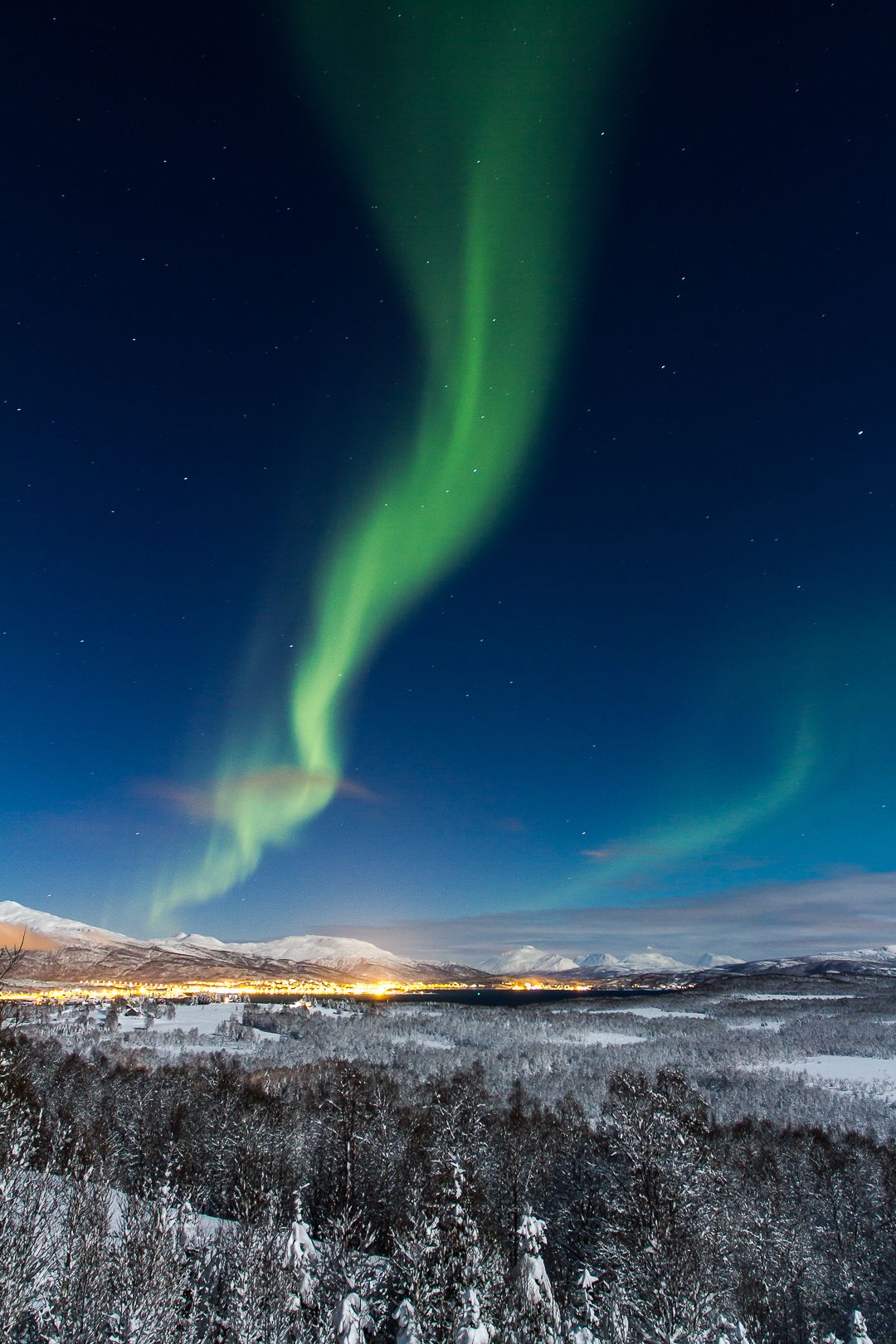
When Is the Best Time to See the Northern Lights?
The honest answer is that there is no single “best” month that works every time. The weather is always the key factor. At Aurora Borealis Observatory we can often see the first auroras around mid August and the last around mid April, but for guests who want the strongest overall aurora-season experience, we usually recommend planning a stay between late August and mid April and giving yourself several nights rather than relying on one perfect date.
Three Beautiful Parts of the Aurora Season
There is no single month that guarantees northern lights, because weather always matters most. But the aurora season on Senja has different moods depending on when you visit — from the soft colours of early autumn to deep winter snow and the brighter, more photographic weeks of spring.
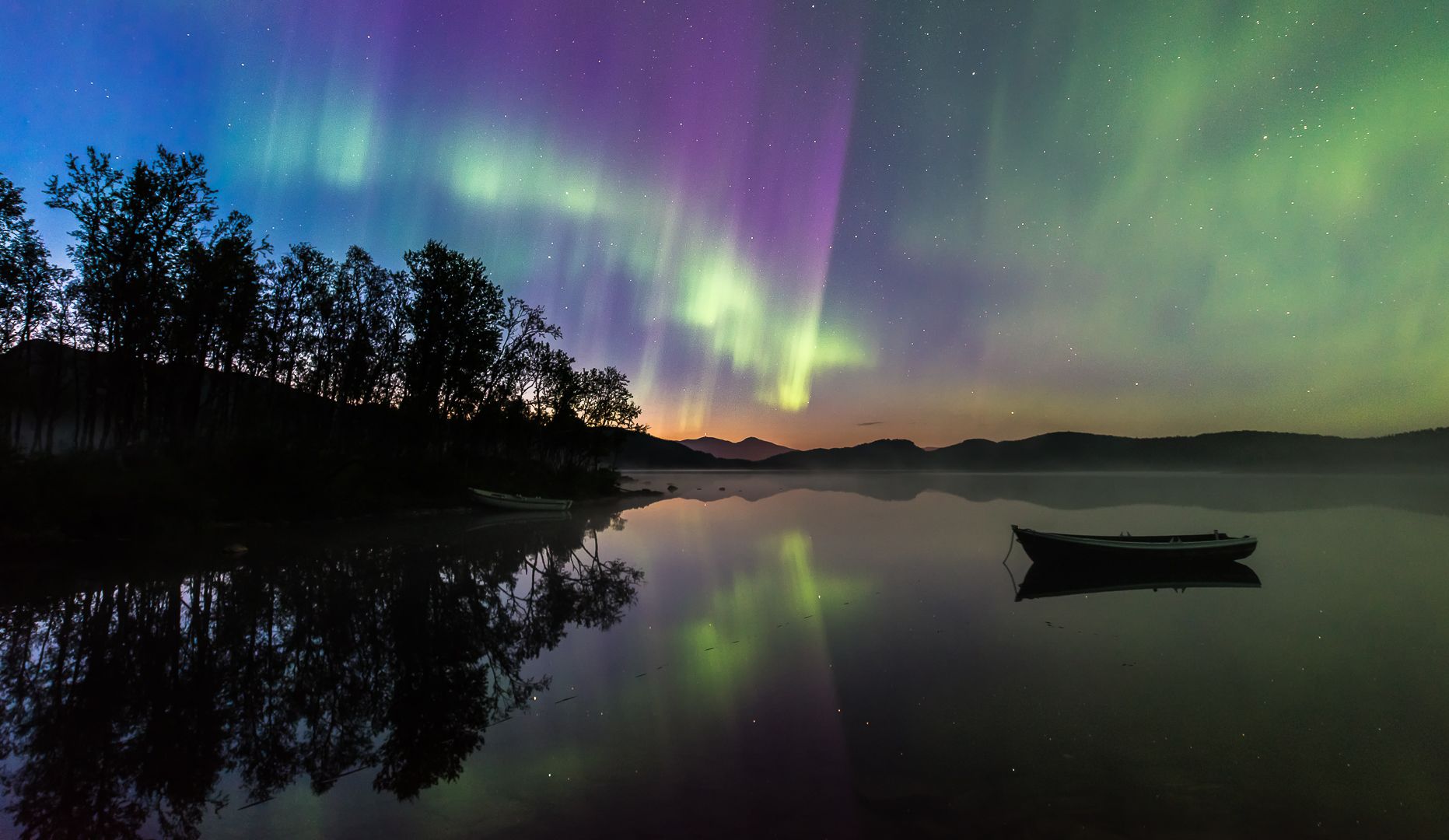
Late August – November
This is one of the most atmospheric parts of the season, with darker nights returning while the landscape is often still free of snow. The combination of aurora activity and colourful skies can make this period especially rewarding for guests who love contrast, softer temperatures and autumn tones.
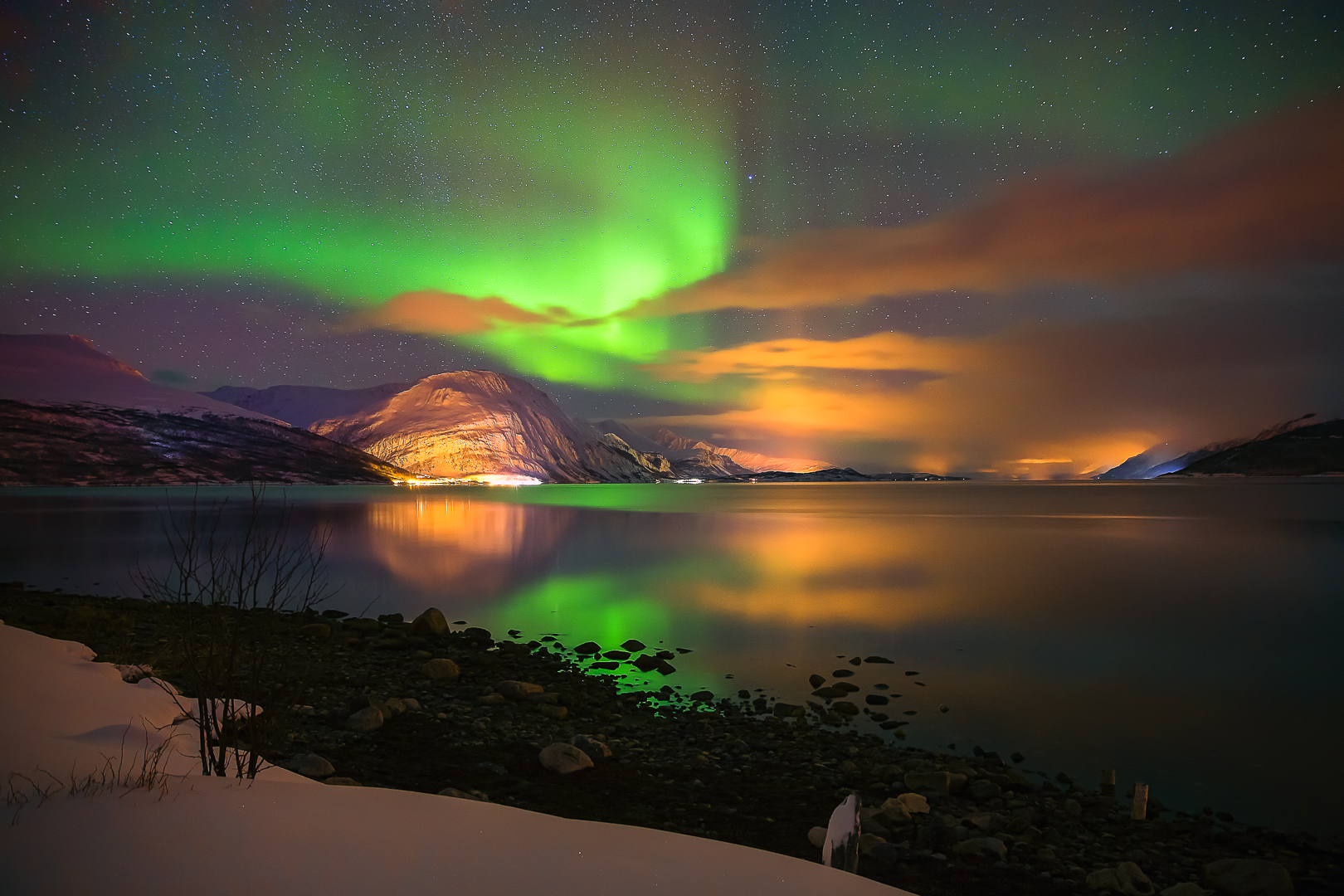
December – Mid March
This is the deepest winter part of the aurora season, when the landscape is often white, the nights are long and the whole island feels quieter and more Arctic. For many travellers, this is the classic northern lights period — with snow, cold air and a stronger winter atmosphere throughout the stay.
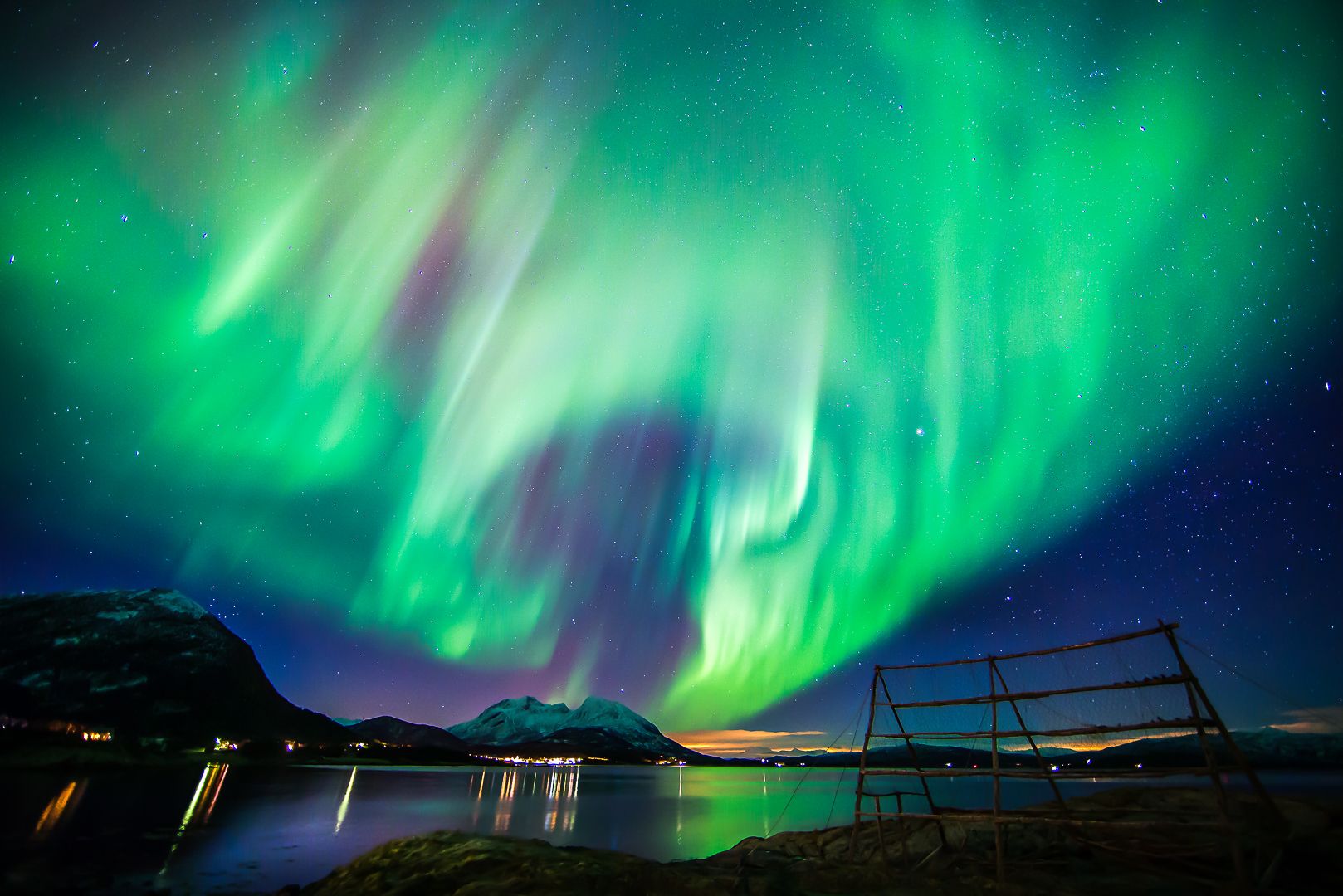
Mid March – Mid April
Spring brings brighter days while the nights are still dark enough for aurora. This creates a very special period where snow, stronger daylight and colourful horizons meet the northern lights. Many guests love this part of the season because it combines aurora with a more open and visually dynamic spring atmosphere.
Everything you need to know before chasing the Northern Lights
The aurora is a sky + timing game: you need darkness, clear pockets, and a little patience. Use this quick guide to plan your trip and pack smart.
If you remember only this…
Clouds decide what you see. Then darkness. Then space activity.
Pro move: pick a direction away from towns, park safely, and give your eyes time to adjust before judging the sky.
Dress smart (layering)
- Base: wool/thermal (avoid cotton)
- Mid: fleece or down
- Outer: windproof + waterproof shell
- Hands/feet: mittens + wool socks
Must-bring essentials
- Warm boots (room for thick socks)
- Hat + neck gaiter (wind killer)
- Hand warmers (cheap, amazing)
- Thermos + water
Camera / phone tips
- Tripod (or stable surface)
- Powerbank (cold drains batteries)
- Night Mode / manual camera app
- Keep it warm (inner pocket)
Road / safety
- Reflective vest (dark roads)
- Headlamp (red light if possible)
- Check weather + road conditions
- Park safely (never on narrow shoulders)
Best expectations
- Aurora comes in waves
- It can start faint (camera sees more)
- Clear pockets matter most
- Stay longer = higher chance
What we recommend
- Plan 2–4 nights (weather buffer)
- Pick a base + flexible drives
- Go darker than you think
- Local guidance saves time
Quick answers (tourist-friendly)
Short, honest answers to the most common questions.
Can we see the aurora every night?
Not guaranteed. The biggest “no” reason is clouds. Plan multiple nights and be ready to move to clearer areas.
Do we need high solar activity?
No. Moderate activity can still look amazing in dark, clear skies. Great skies beat great numbers.
Why does the aurora look weak sometimes?
Your eyes need time. It can start faint (often grey/green). Cameras often capture more — and it can strengthen fast.
Is full moon “bad”?
Not bad — it reduces contrast. Go darker and expect the best results during strong aurora or away from the moon direction.
How long should we stay outside?
Give it 20–30 minutes per stop. Aurora often arrives in waves, and clouds can open suddenly.
The fast way to improve your odds
These small choices make a big difference.
Give the Sky More Than One Night
Northern lights travel is always shaped by weather, and that is exactly why the best aurora stays are not rushed. Aurora Borealis Observatory offers a peaceful base for experiencing Senja’s darkest season with more time, more atmosphere and a much better rhythm for following the sky night after night.
